The
InterviewDaron
Rahlves
Thirty years of friendship, one alpine legend, and a second half still accelerating.
Photographs
Below: Jeff Engerbretson / Palisades Tahoe; all others courtesy Red Bull
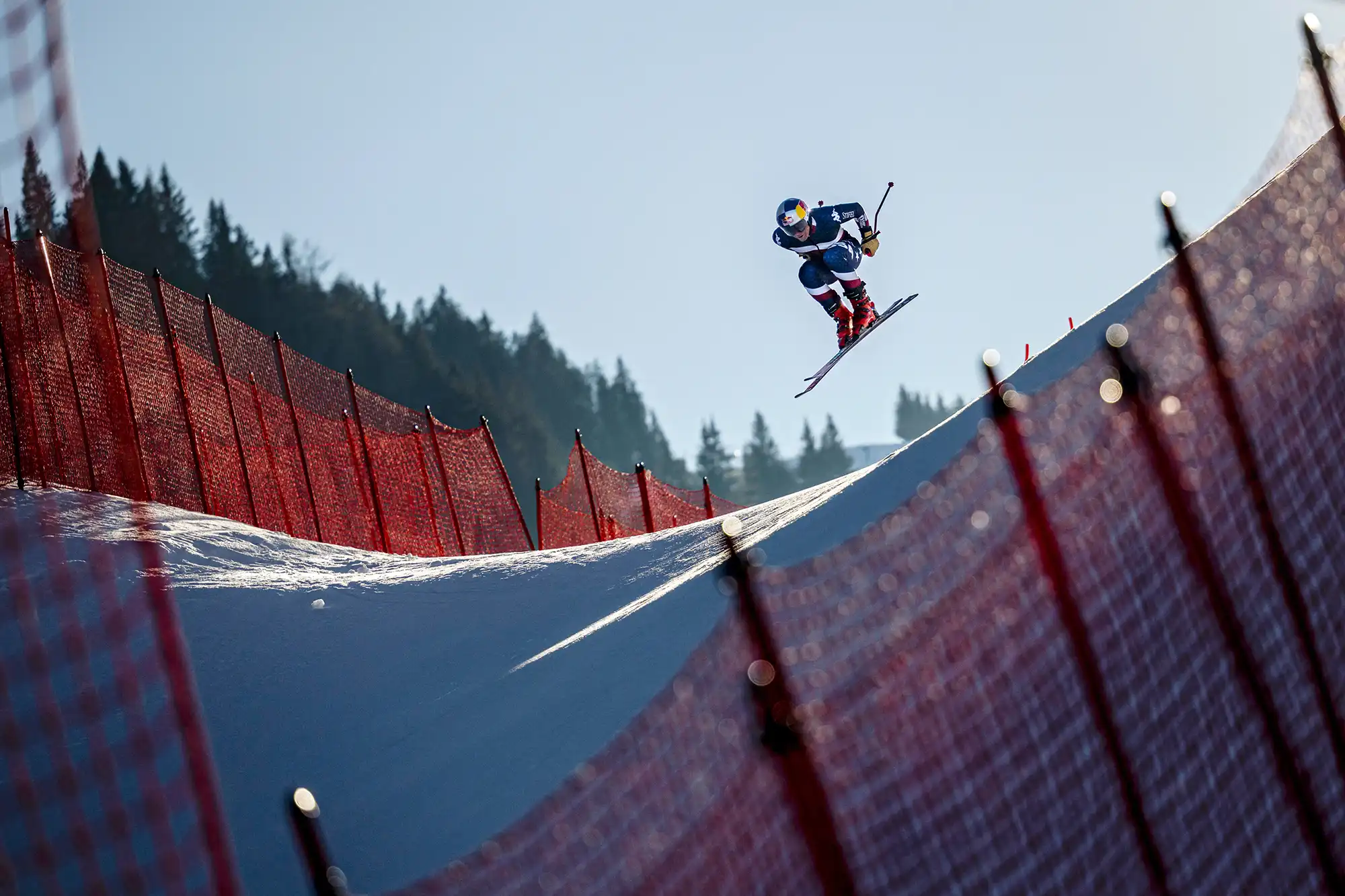
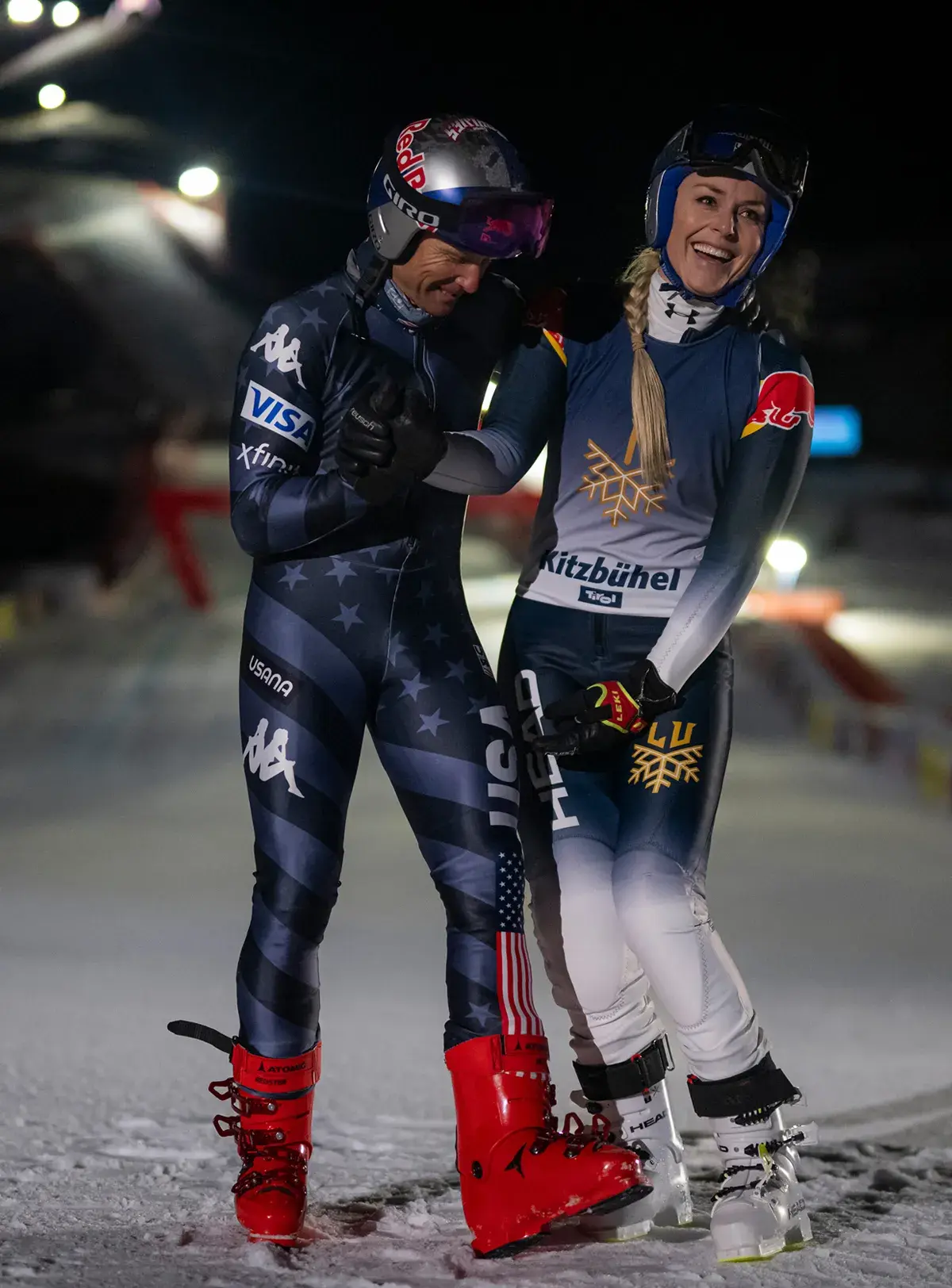
For those of you who don’t know him, Daron Rahlves is one of the most decorated American speed skiers ever. He finished his World Cup career with 12 World Cup victories and 28 podiums, including nine World Cup downhill wins, more than any other American male. His résumé includes three World Championship medals, highlighted by gold in Super G in 2001, plus silver in downhill and bronze in giant slalom in 2005. In 2003 he won the Hahnenkamm downhill in Kitzbuhel, the first American to win there since 1959. Today, at 52, he’s still charging life full throttle at the edge of Lake Tahoe in Truckee, California.
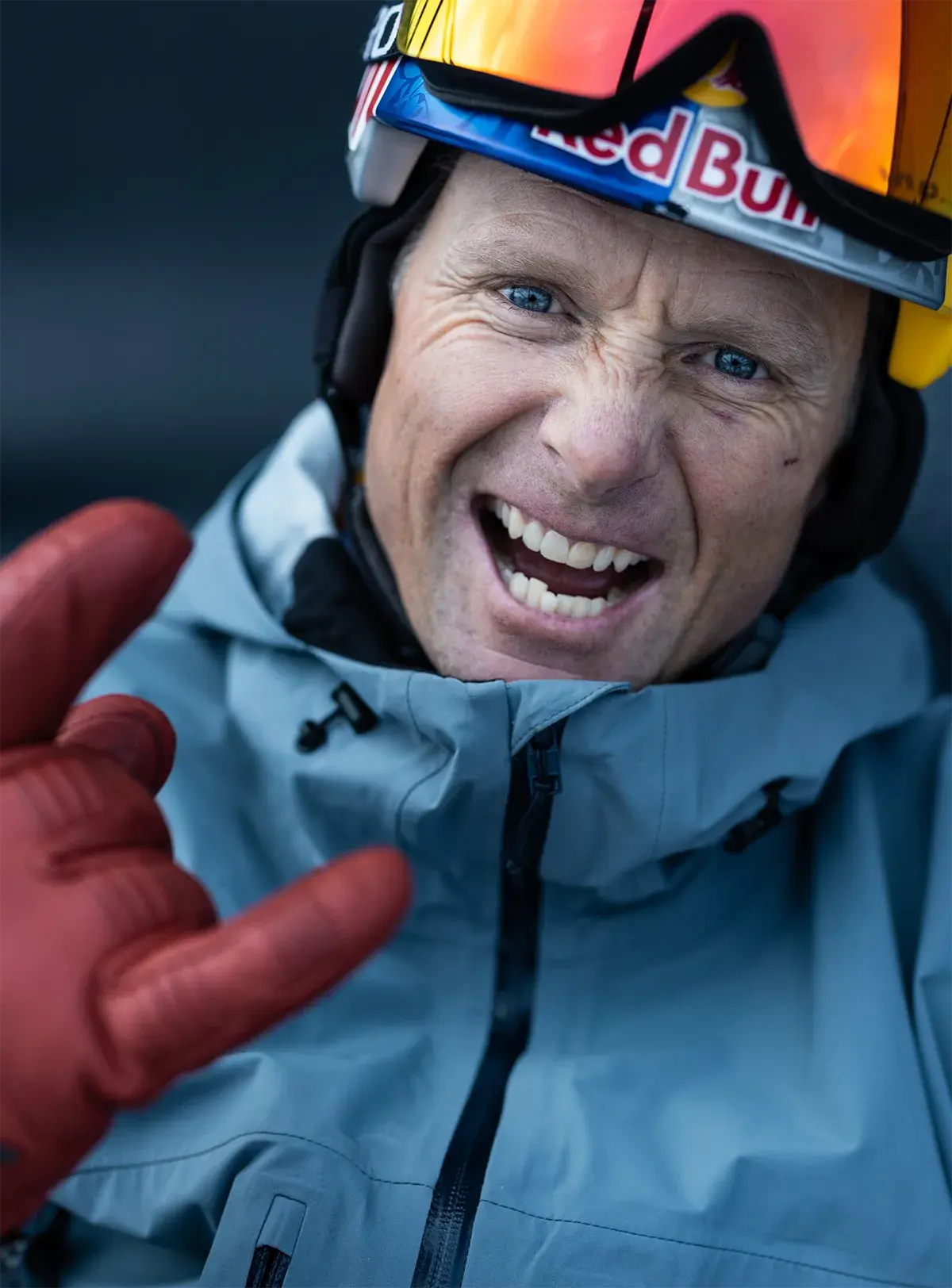
Seconds founder Michael Shimbo met Rahlves in Boulder, Colorado in 1996. Thirty years later, Shimbo asked Rahlves to sit down for a catch up on everything that happened in between, and Daron didn’t blink. Shimbo came in hoping for something structured. Daron came in the way he always has, like he was dropping into the Mausefalle section of the world famous Streif in Kitzbuhel. The conversation was more freeski than the precision of a race course, but somewhere in the middle they landed on common ground: midlife, what it asks of you, what it gives back, and what the future can still hold.
Michael Shimbo: You retired from World Cup racing in 2006. It has been twenty years. People assume retirement means the intensity fades, but with you it looks like the intensity just evolved. What keeps you charging.
Daron Rahlves: I wanted to leave on my own terms. I wanted to be at the top of my game, not get pushed out by injury or by getting slow. I saw guys who could not make the top 10 anymore. I wanted to contend for a win every single race.
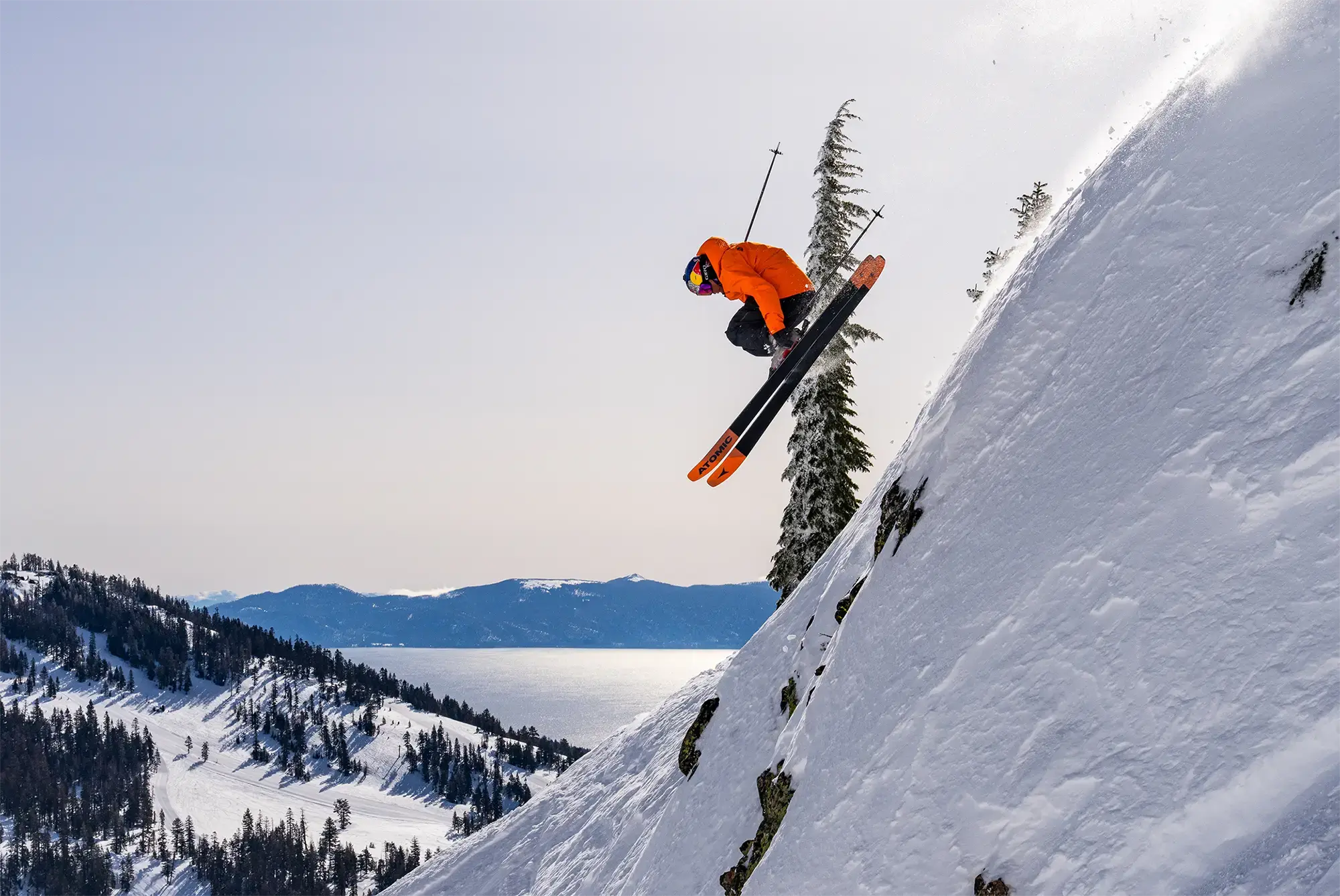
But I got lucky. I had opportunities to keep going and use what I built in ski racing to create other things. Big mountain, ski cross, different brand work. Right now, I get to connect with people around my age, a little older, a little younger. And Red Bull has a big fitness push, so a lot of what I am doing is built around performance, endurance, and being ready for the season. Rahlves’ Banzai is coming back this April at Palisades Tahoe and that alone is a great reason to stay sharp.
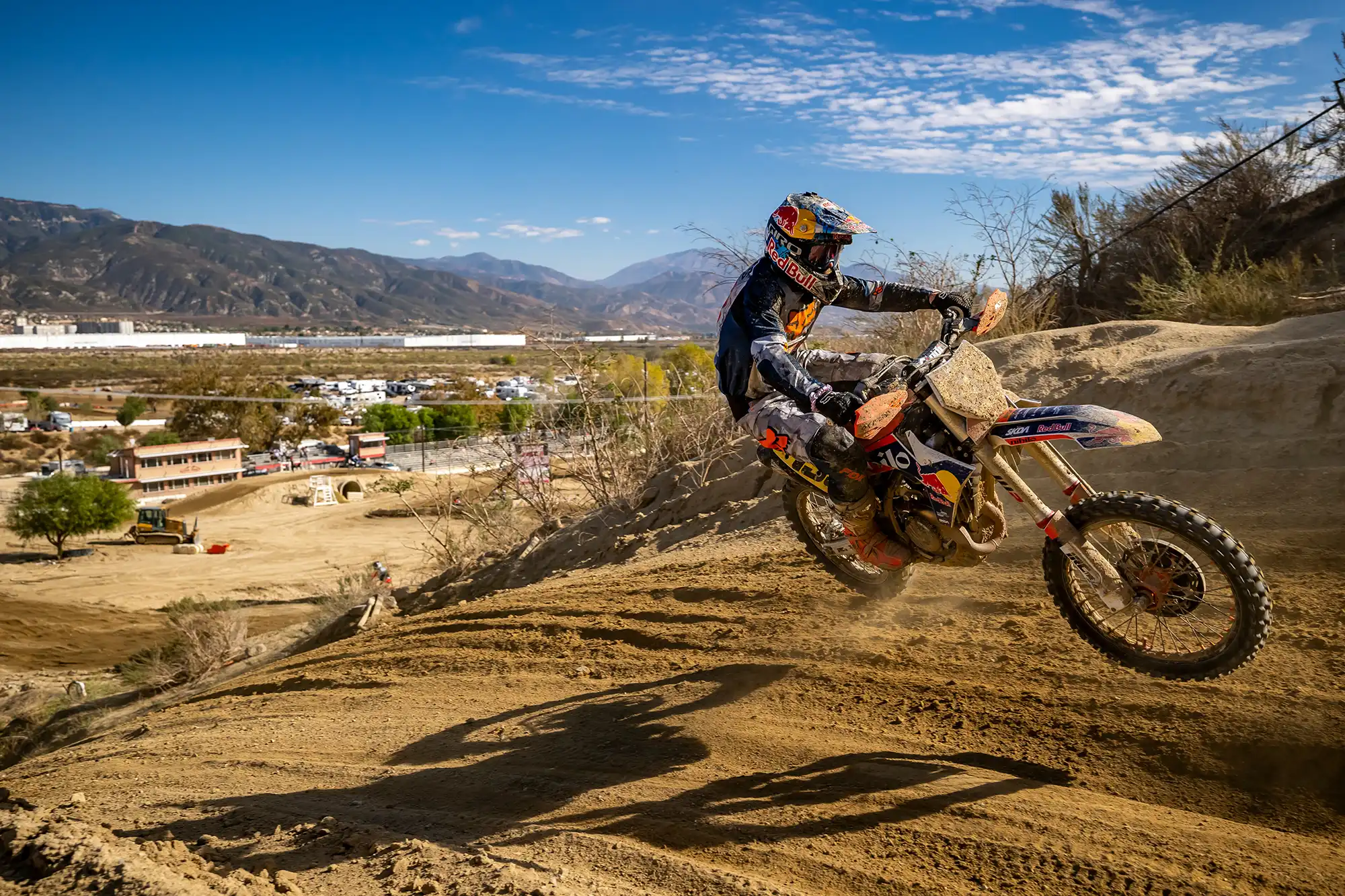
I also race moto in the summer. I don’t have the skills a lot of these guys do, but if I can hang physically and grind a little more on the back end, I have a chance to be in there.
MS: A major pillar of Seconds is HealthSpan. Not necessarily living to 110, although that could be amazing. It is about living your best years for as long as you have them. When you talk about staying in it, it sounds like one word: consistency.
DR: Consistency is the thing. If you are taking care of yourself most days, you can veer off for a couple days and come right back. Eat well. Stay hydrated. Move pretty much daily. It stacks.
You also have to exercise your mind. Mindset matters. I trained a little harder than most, and that gave me confidence. Challenge yourself. It feels better when you give it your all. And you can’t be afraid to make mistakes and fail.
I had opportunities to keep going and use what I built in ski racing to create other things.
MS: What has changed the most as you have moved into midlife.
DR: I calculate risk a little more. I still feel like I can put out good output, but recovery takes longer.
After ski racing, I got complacent for a couple years and thought I would ski myself into shape, mountain bike, moto, and it would be enough. You can’t do that. You have to put time into it.
I don’t do a super serious program, but I focus on mobility and single leg work. I am actually better at single leg mobility now than I was before. I want to be athletically strong from the ground up.
MS: It is not flashy. It is foundational.
DR: We train for performance and injury prevention, and that’s my biggest thing. I want to be strong, but I want to be healthy. I want to still go out there and push.
A few seasons ago we had a big day at Palisades. I was looking at a line off Ring Finger. My chair buddy backed way off. He said that is something he would do in his thirties, not now. He hadn’t done it in twenty years. To me that’s a mental block. Don’t count yourself out.
You acknowledge fear, you mitigate, you be smart, but a lot of times you have to go. Nine out of ten times you are going to pull it off if you have the skill, versus not trying.
And I have been around a lot of incredible free skiers. Surround yourself with encouragement and positivity, people who are better than you. You feed off that.
MS: You have twins. You have your own unit. What is it like watching your kids ski and ride?
DR: The most amazing experience I ever had was the day my kids were born. Twins. Overwhelming.
Drey was six and told me he wanted to do a backflip on a dirt bike. He didn’t even have a dirt bike yet. But if they see something, they think, it is done, I can do it.
Miley raced until she was fourteen. Drey started racing, then shifted to free skiing. We talked about focus and sacrifice if you want to be great at one thing. He told me that’s not him. He wants to be good at a lot of things.
My dad was a huge idol. He was hard on us. Criticism never bothered me. My favorite coaches were the ones that called me out. That’s hard as a dad, because you want them to have fun first. But I also want them to learn how to get better.
MS: What has changed the game for staying active in midlife.
DR: Equipment is amazing now. Backcountry gear. e-bikes. All of it opens doors.
I got an e-bike two years ago and it got me mountain biking more. It opened a whole new world. You can do more and keep doing it longer. It gets more people involved.
MS: What are the small inputs that compound for you now.
DR: Consistency again. Collagen. Protein. I’m back on creatine. I tested it. On creatine, my fourth and fifth run had the same power as my first and second. It works, and it also puts your mind in the right place.
MS: When you look at the sport now, what feels most different since 2006.
DR: Longevity. Athletes are staying in the sport longer, better sport science, better recovery, better training. When you’re at the top, especially in Europe, it is a great lifestyle. Guys keep going until they can’t.
But equipment is more precise and more aggressive. There have been a lot of injuries. And there is more focus on safety now. Airbags, more hill requirements. A lot is changing quickly.
They also put more swing into tracks to slow athletes down. Honestly, I think the evolution of downhill is going the wrong way. It used to be gnarlier. That challenge helped put the sport on the map.
MS: Take me back to the first time you ever set foot on the Streif.
DR: The first time was in the summer. It was scarier in the summer because you are walking down thinking, are you kidding me, we are going to be going through this. It was so steep.
I found this little sticker that said Scott USA. I picked it up and kept it in my wallet for years. It was a reminder. USA is on this hill somewhere. I have got to leave more of a statement on race day.
Walking it in the summer helped me mentally rehearse how it meandered through the terrain. When I came back to race it in winter, I felt familiar with it already. But every year that first training run was a mind game. I would come across the finish line fired up just to make it down in one piece and want more.
I would come across the finish line fired up just to make it down in one piece and want more.