
The
InterviewBrent
Rivard
Brent Rivard on naming a company Geezer, the marketing industry’s blind spot, and why the second half might be the most interesting chapter yet.
Photographs
Courtesy: Brent Rivard
Brent Rivard spent 25 years becoming one of the most experienced marketing and creative executives in North America. He served as CMO of Internova Travel Group, one of the largest travel services companies in the world, ran agencies, built teams, and sat across the table from some of the biggest brands on earth. Then he hit midlife, looked around at an industry quietly pushing out its most seasoned talent, and got together with his creative partners Karen McKinely and John Kieselhorst to launch a new agency aptly named Geezer.
Rivard grew up in Canada, built his career in New York, recently moved to Jersey City with his wife Lesley, and just bought a place in the Dominican Republic. He does not have a five-year plan, and he seems fine with that. We talked for 45 minutes on a Thursday afternoon before a long weekend, and he was in no particular hurry to wrap up.
Older. Faster. Better. That’s putting a line in the sand.
Michael Shimbo: Of all the names in the world, you went with Geezer. Walk me through that.
Brent Rivard: Karen, one of my creative partners, came up with it. And you know the old adage, the name is the idea. We’re promising creative teams with 25-plus years of experience. We’re going after the 50-plus segment of the market. And there’s something fun in taking a word that was negative and owning it. We didn’t invent that idea. But there’s something to be said for it. If you’re a CMO looking for an agency and you come across one called Geezer, you get a little smile. You have a pretty good idea of who we’re going to be before you pick up the phone.
MS: It does your marketing in one word.
BR: Ad agencies have famously been terrible at their own branding. There are whole consultancies built around helping agencies figure out who they are. We treated our brand as our first client. Who are we, who are we not, who are we for, who are we not for. And we’ve been honest about it. If a company marketing to 17-year-old women calls us because they love that we’re veteran creatives, I’d have to say no. I don’t know how 17-year-olds speak to each other. I won’t pretend to understand it. You should go to an agency that does.
MS: You’ve been in rooms with some of the smartest marketers in the world for 25 years. Gen X and Boomers out-consume younger audiences eight to one in categories like alcohol. How does an entire industry of intelligent people keep missing that?
BR: If I knew the full answer to that, I’d be very rich. Part of it is the playbook. The same playbook has been running for a hundred years. I remember telling the head of a media department at a major car company that they’d left last year’s date on their media plan because they’d copied and pasted it. That’s the playbook. You do this much in TV, this many GRPs, this money in magazines. Nobody’s changing it.
The other part is fear. Americans used to have this uncanny ability to take risks and reward risk-taking. I’m Canadian and I used to say, I want to be in America, where people stick their necks out. But America has turned into Canada. The whole world has. We’ve seen what happens to the CMO who takes a swing and it doesn’t land. So everyone defaults to what works. And what works, supposedly, is chasing youth. Getting them at 19 and hoping they’re with you at 60. That’s not true anymore. Loyalty doesn’t work that way. But the playbook says it does, so the playbook stays.
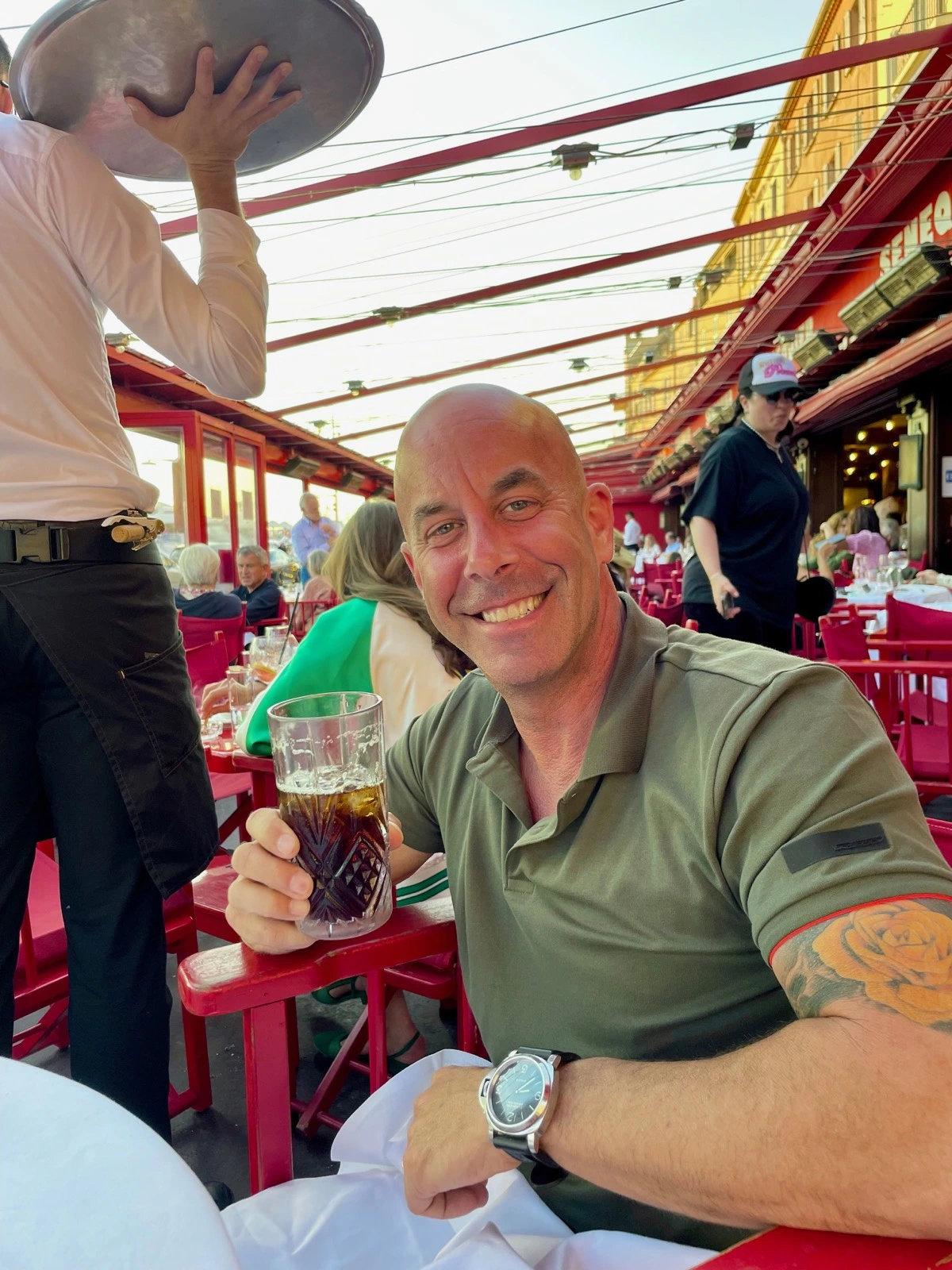
MS: You could have taken another CMO seat. Nobody would have blinked. What made that version of the story unacceptable?
BR: Maybe I’m stupid. There are days I wonder. But I think you get to a point, and I think this is what led you to Seconds, where you need to feel some sense of pride as you go into the second half. You start thinking about what you’re leaving behind. We all have a love affair with this business. It’s why we’re in it. And I was watching the consolidations happen. The most expensive people, the most experienced people, being the first ones cut because it makes the P&L look better. We kept thinking about young creatives who won’t have a mentor at 40 or 50 or 60 to tell them how it actually works. That’s something magical that’s been lost. And I thought, what if we put all those people to work for the right reasons? They’ve honed their craft. They understand what EBITDA means. They know they’re driving business, not walking up to the podium at Cannes. That became the motivation.
MS: I’ve been thinking about this stage as puberty 2.0. Does that land for you?
BR: For sure. And I think what’s different now is that this version of midlife is not the midlife of our parents’ generation. Not even close. You had a lot of people with a lot of years left in them, suddenly being told they were done. And they’re like, what? I’m not 75.
We treated our brand as our first client. Who are we, who are we not, who are we for, who are we not for.